The Importance of Caulking and How to Do It Properly
Have you noticed that your bathroom has been prone to water damage lately? Or maybe your windows have started to feel drafty? The solution could be as simple as applying a bit of caulk. Caulk is a material that is used to seal up cracks and gaps in a variety of surfaces, from tile to wood to vinyl. Caulking plays a vital role in keeping your home safe and secure, and it’s a surprisingly easy DIY project that you can do yourself. In this blog post, we’ll explore the importance of caulking and how to do it correctly.
What is Caulking?
Caulk is a flexible material made of silicone, latex, or rubber that is used to seal gaps and cracks around windows, doors, and other surfaces. It can be applied in tube-form or as a pre-cut strip, and can be found in a range of colors to match your home’s decor. Caulk has a wide range of applications, including filling gaps between walls and baseboards, sealing around electrical boxes, and water-proofing around bathtubs and showers.
Why is Caulking Important?
Caulking is necessary for two primary reasons: to keep air and water from seeping into your home, and to maintain the energy efficiency of your home. Air leaks and water damage can lead to a range of problems, including drafts, mold growth, and even structural damage to your home’s foundation. Caulking also helps to maintain the temperature in your home by preventing air from escaping, which can lower your energy bill.
How to Caulk Properly
IB Caulking is a simple procedure that can be done in just a few steps. Here’s what you’ll need to get started:
- A tube of caulk, a caulking gun, and a utility knife.
- Clean the area around the gap or crack using a putty knife or scraper.
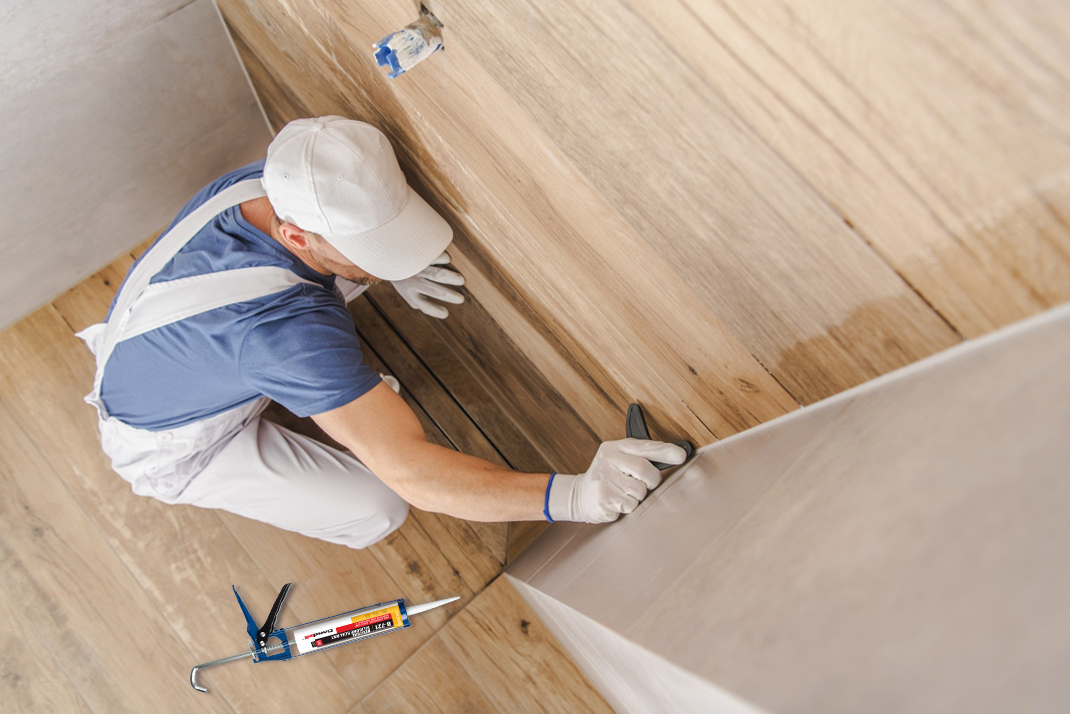
- Apply a steady bead of caulk in a straight line over the gap or crack, making sure that it adheres to both surfaces.
- Smooth the caulk out with a damp finger or a caulk smoothing tool.
- Let the caulk dry for several hours before painting or touching the area.
Maintaining Your Caulk
Caulk can last up to 10 years, but it’s important to check it periodically for signs of wear and tear. Check for cracks or gaps forming in the caulk, and reapply as needed. It’s also important to inspect the seal around your windows and doors to ensure that there are no leaks or drafts that could compromise the integrity of your home’s structure.
Conclusion
Caulking is an easy and effective way to maintain the integrity of your home, and it’s a DIY project that anyone can tackle. Whether you’re sealing gaps or repairing water damage, the key to a successful application is to take your time and do it properly. With the right tools and some basic knowledge, you can keep your home safe, efficient, and looking great for years to come.
Related Post